The Role of Sustainability in Urban Planning Success

Urban planning is at a crossroads. As cities expand and populations grow, the need for sustainable practices in urban development has never been more critical. Sustainability in urban planning is not just a trend; it is a necessity for creating livable, resilient, and environmentally friendly cities. This blog post explores the importance of sustainability in urban planning, the challenges faced, and successful examples from around the world.

Understanding Sustainability in Urban Planning
Sustainability in urban planning refers to the integration of environmental, social, and economic considerations into the development of urban spaces. This approach aims to create cities that meet the needs of the present without compromising the ability of future generations to meet their own needs. Key components of sustainable urban planning include:
Environmental Protection: Minimizing pollution and conserving natural resources.
Social Equity: Ensuring all community members have access to essential services and opportunities.
Economic Viability: Promoting economic growth while maintaining environmental integrity.
The Importance of Sustainable Urban Planning
Environmental Benefits: Sustainable urban planning helps reduce carbon footprints, conserve energy, and protect biodiversity. By incorporating green spaces, renewable energy sources, and efficient waste management systems, cities can significantly lower their environmental impact.
Improved Quality of Life: Well-planned urban areas enhance the quality of life for residents. Access to parks, clean air, and efficient public transportation systems contributes to healthier lifestyles and stronger communities.
Economic Resilience: Sustainable practices can lead to long-term economic benefits. For instance, investing in green infrastructure can create jobs and stimulate local economies while reducing costs associated with environmental degradation.
Adaptation to Climate Change: Cities are increasingly vulnerable to climate change impacts such as flooding, heatwaves, and rising sea levels. Sustainable urban planning incorporates climate resilience strategies, helping cities adapt and thrive in changing conditions.
Challenges in Implementing Sustainable Urban Planning
Despite the clear benefits, several challenges hinder the widespread adoption of sustainable practices in urban planning:
Political Will: Sustainable urban planning often requires significant changes to existing policies and practices. Gaining the support of local governments and stakeholders can be a major hurdle.
Funding and Resources: Implementing sustainable initiatives often requires upfront investment. Securing funding can be difficult, especially in economically strained regions.
Public Awareness and Engagement: Many residents may not fully understand the benefits of sustainable urban planning. Engaging the community in the planning process is crucial for success.
Balancing Competing Interests: Urban planners must navigate the interests of various stakeholders, including developers, residents, and environmental groups. Finding common ground can be challenging.
Successful Examples of Sustainable Urban Planning
1. Copenhagen, Denmark
Copenhagen is often cited as a leader in sustainable urban planning. The city has set ambitious goals to become carbon neutral by 2025. Key initiatives include:
Bicycle Infrastructure: Copenhagen boasts an extensive network of bike lanes, encouraging cycling as a primary mode of transportation. This has led to a significant reduction in traffic congestion and pollution.
Green Roofs: The city promotes the installation of green roofs on buildings, which help manage stormwater, improve air quality, and provide green spaces for residents.
2. Curitiba, Brazil
Curitiba is renowned for its innovative public transportation system, which has become a model for cities worldwide. The city's Bus Rapid Transit (BRT) system prioritizes efficiency and accessibility, reducing reliance on cars. Other sustainable practices in Curitiba include:
Parks and Green Spaces: The city has created numerous parks that serve as flood control areas while providing recreational opportunities for residents.
Waste Management: Curitiba has implemented a successful recycling program that encourages residents to separate waste, leading to a cleaner environment.
3. Singapore
Singapore is a prime example of integrating nature into urban design. The city-state has adopted a "Garden City" approach, incorporating greenery into its urban landscape. Notable initiatives include:
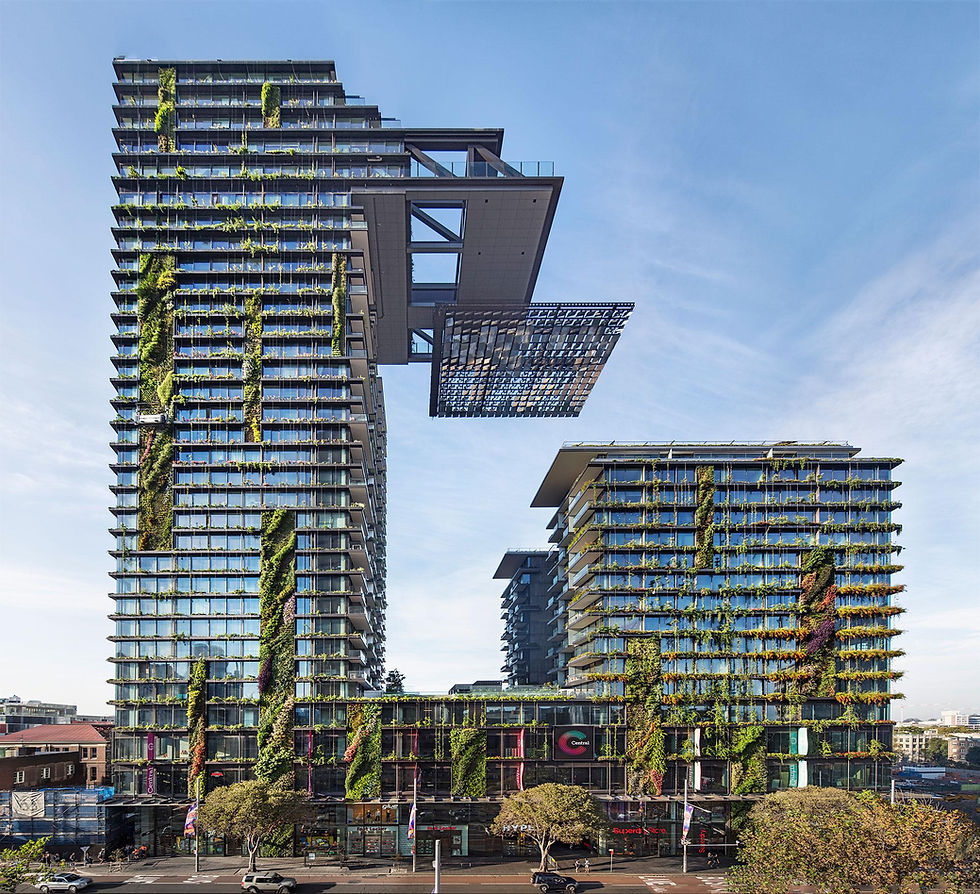
Vertical Gardens: Many buildings feature vertical gardens that improve air quality and provide insulation, reducing energy consumption.
Sustainable Water Management: Singapore has developed an advanced rainwater harvesting system that captures and reuses rainwater, addressing water scarcity issues.
Strategies for Promoting Sustainability in Urban Planning
To foster sustainable urban planning, cities can adopt several strategies:
Community Engagement: Involving residents in the planning process ensures that their needs and preferences are considered. Public forums, surveys, and workshops can facilitate meaningful dialogue.
Policy Development: Local governments should create policies that prioritize sustainability, such as zoning regulations that encourage mixed-use developments and green building standards.
Investment in Green Infrastructure: Cities should allocate resources to develop green spaces, renewable energy projects, and efficient public transportation systems.
Education and Awareness Campaigns: Raising awareness about the benefits of sustainability can help garner public support for urban planning initiatives.
Collaboration with Stakeholders: Building partnerships with businesses, non-profits, and community organizations can enhance resources and expertise in sustainable planning efforts.
The Future of Sustainable Urban Planning
The future of urban planning lies in the commitment to sustainability. As cities continue to grow, the integration of sustainable practices will be essential for creating resilient and livable environments. Urban planners, policymakers, and community members must work together to build cities that are not only functional but also environmentally friendly and socially equitable.
Key Takeaways
Sustainability is crucial for the success of urban planning, offering environmental, social, and economic benefits.
Challenges such as political will, funding, and public engagement must be addressed to implement sustainable practices effectively.
Successful examples from cities like Copenhagen, Curitiba, and Singapore demonstrate the potential of sustainable urban planning.
Strategies such as community engagement, policy development, and investment in green infrastructure can promote sustainability in urban planning.
As we look to the future, the call for sustainable urban planning becomes increasingly urgent. By prioritizing sustainability, we can create cities that thrive today and for generations to come. The journey toward sustainable urban environments is not just a responsibility; it is an opportunity to innovate, collaborate, and build a better world.


Comments