Why Sustainability Is No Longer Optional for Commercial Property Owners

For many years, sustainability in commercial real estate was considered a "nice-to-have" feature, mainly driven by public relations efforts or overarching corporate social responsibility objectives.
That time has passed.
Today, sustainability is a crucial operational and financial necessity. It directly affects asset value, tenant acquisition, debt availability, planning flexibility, and long-term yield. The challenge for commercial property owners is no longer whether to enhance their portfolio’s performance, but how quickly they can implement changes before the market surpasses them.
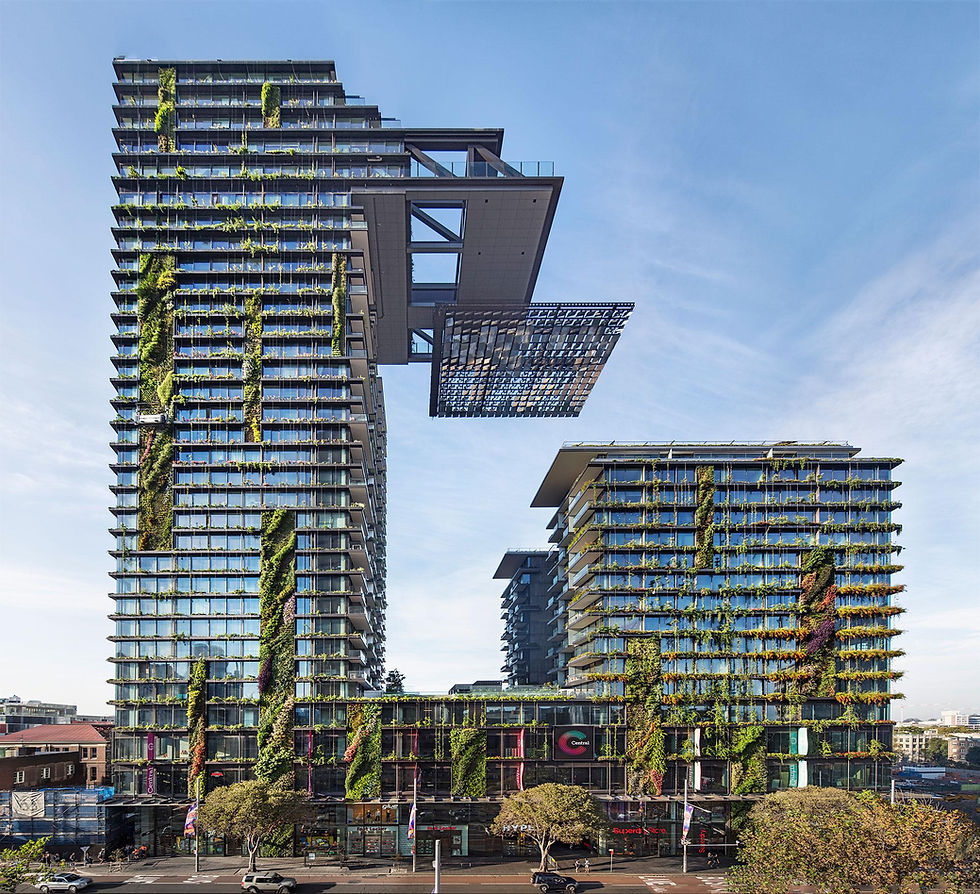
1. The Flight to Quality Is Real
Tenant expectations have fundamentally shifted. Modern tenants seek more than just space; they desire high-performing environments that align with their corporate Scope 1, 2, and 3 emissions targets.
Commercial properties with strong sustainability credentials consistently outperform their older counterparts in all key metrics:
Lower vacancy rates and reduced time on the market
Higher tenant retention during lease renewals
Lower net operating costs (OpEx)
Premium rental yields
Long-term capital appreciation
In contrast, inefficient properties risk becoming "brown discounts"—struggling to attract top-tier tenants and experiencing accelerated yield compression.
2. Investors and Lenders Are Pricing in Climate Risk
While location remains a primary factor in property value, operational resilience has quickly become a close second. Institutional capital, private equity funds, and major lenders are closely examining environmental performance before investing.
When assessing an asset, decision-makers look beyond net passing income to evaluate:
NABERS and Green Star ratings
Climate resilience and physical risk exposure
HVAC and operational efficiency metrics
Capex required to meet upcoming performance thresholds
Assets with high environmental performance present a lower risk profile, making them easier to finance, refinance, and more liquid at exit.
3. Rising Energy Costs Shift the Yield Equation
Energy volatility continues to pressure margins for both owners and tenants. In a competitive leasing market, low operational overhead is a significant advantage.
Targeted, high-ROI interventions can provide immediate margin relief:
Smart building management system (BMS) optimization
LED lighting upgrades and motion sensing
Strategic HVAC modernization and heat recovery
On-site solar PV and battery storage integration
Sub-metering for precise energy accounting
Reducing operational expenditure enhances an asset's net operating income (NOI)—directly improving capitalized market value.
4. Policy and Regulation Are Catching Up
State and federal policy directions across Australia are clear. Planning controls, building codes, and municipal frameworks are steadily tightening around energy reporting, disclosure standards, and mandatory efficiency thresholds.
Waiting for compliance to become mandatory is a risky strategy that can lead to rushed capital deployment and inflated retrofit costs. Property owners who proactively audit and upgrade today will gain a structural advantage over those forced to react under regulatory pressure.
5. Strategic Upgrades Create Future-Proof Value
Sustainability is not just about risk mitigation—it's a proactive driver of value creation. Improving a building’s performance proactively delivers a clear commercial benefit:
The Commercial Advantage: High-performing buildings attract higher-caliber tenants, command premium rents, reduce operational drag, and secure lower capital costs. Beyond the balance sheet, they provide healthier, more productive indoor environments that keep tenants long-term.
Where to Begin
Strategic sustainability doesn't require a widespread, multi-million-dollar overhaul from the start. It begins with establishing a clear baseline.
A structured performance audit will reveal low-hanging operational gains, identify hidden inefficiencies, and outline a prioritized, stage-by-stage Capex roadmap aligned with your asset management lifecycle and tenant lease rollover profiles.
The Bottom Line
Sustainability in commercial real estate has transitioned from a marketing narrative to a fundamental component of sound asset strategy. The future market belongs to assets that are well-located, operationally lean, resilient, and prepared for tomorrow's regulatory and tenant demands.


Comments